Bespoke MicroCement
for a Timeless Feel
Shop MicroCement Kits for DIY
Why homeowners and professionals choose DECCO
Trade Program
Designed for architects, designers, contractors and builders.
Technical Support
Training & Certification
Dedicated Project Assistance
Large Project Orders
High-End Surfaces. Simplified.
What makes DECCO different is the way we combine high-performance materials with a strong design-driven vision. Beyond manufacturing surface systems, we focus on creating complete experiences around texture, color, atmosphere and architectural aesthetics.
Our approach blends technical performance, curated design, education and community — offering not only products, but also the guidance, inspiration and support needed to bring projects to life.
From DIY users to large-scale professionals, decco is built to support every type of creative vision through seamless surfaces and thoughtfully designed systems.
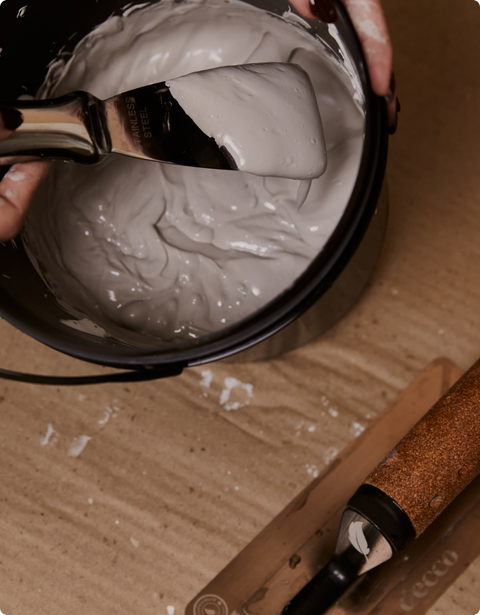
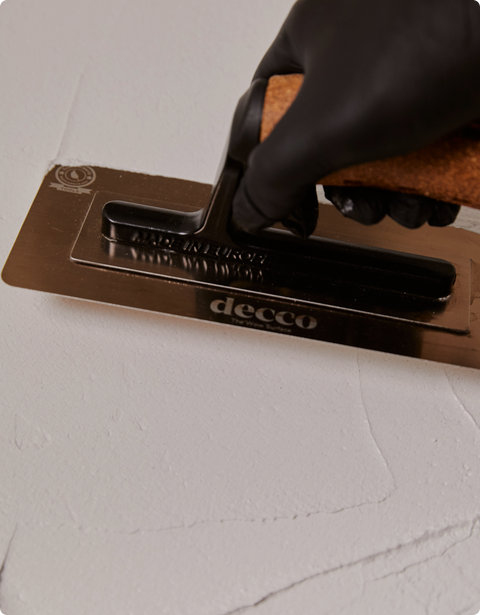
MicroCement is a thin, seamless decorative coating used to create continuous surfaces without visible joints or grout lines. It can be applied to floors, walls, bathrooms, kitchens, furniture and many other surfaces, depending on the DECCO system selected.
DECCO MicroCement can be applied over a wide variety of properly prepared substrates, including concrete, cement screeds, drywall, cement board, ceramic tile, MDF, glass and metal. The substrate must always be solid, stable, dry and properly prepared before installation.
Yes. One of the major advantages of MicroCement is that it can be applied over properly prepared existing tile, allowing many surfaces to be transformed without demolition.
Tile joints must be properly treated and the appropriate DECCO primer, basecoat and reinforcement system must be used according to the installation guidelines.
No. MicroCement creates a continuous, seamless surface without traditional grout lines, making it ideal for contemporary floors, walls, bathrooms and other architectural surfaces.
No. MicroCement provides the visual character of a cement-based surface but is applied in very thin layers over an existing stable substrate. It does not replace the structural function of concrete.